

Organoleptics in Herbalism

Our ancestors relied on organoleptics as part of daily survival. Taste signaled nourishment or danger. Aroma hinted at potency and actions. Colour and texture offered clues about edibility, vitality, and preparation. Long before we had names for alkaloids, flavonoids, or other plant constituents, people were learning directly from plants through sight, smell, touch, and taste.
Organoleptic assessment is not a primitive science. It is observation guided by the senses. It is pattern recognition refined over generations. Bitterness often points toward digestive stimulation, encouraging bile flow and appetite. Yet in another context it can signal toxicity or the need for caution. Sweetness can suggest nourishment and building. This often reflects more nutritive or demulcent qualities. Sourness often indicates the presence of organic acids which contributes to salivation and digestive stimulation that can sometimes create a puckering or slightly tightening sensation. Salty tastes can hint at mineral content and may reflect a softening or moistening influence on tissues. Astringency suggests tannins which often indicaties tissue toning and drying effects. Pungent and aromatic qualities can signify compounds that stimulate movement. Even viscosity, colour shifts in sunlight, or the way a tincture or infusion feels in the mouth can offer insight into the essence of a plant and its individual expression.
When first learning about a plant, it can be tempting to move immediately to the books to study botany, constituent lists, and pharmacology. I value that language deeply. Yet if we bypass our senses, we miss an essential layer of understanding and the opportunity to cultivate a more intimate relationship with the plant itself. Taking the time to observe a plant through its different seasons, to notice its texture and aroma when freshly harvested and again once dried, and then to experience how it expresses itself in medicine form through our senses, offers another level of insight. How it looks in the jar, how it smells when first opened, and how it feels on the tongue will all add depth to our understanding. This connects theory into experience. More importantly, it creates a relationship, understanding and connection to the plant itself.
Mullein Leaf, Flower, & Root Organoleptics
Mullein, Verbascum thapsus, reveals its character through every part of the plant. Its leaves vary in color from plant green to pale lime, silvery sage, and deeper seafoam tones. Regardless of shade, they are always covered in a soft, woolly texture with a subtle silvery sheen, giving the leaf a muted, matte appearance and offering insight into its soothing and protective nature. However, do not be deceived by their softness! Contrary to the popular myth that mullein leaves can be used as toilet paper, the fine hairs can irritate the skin and are more likely to cause discomfort than relief. When brewed as a tea, careful straining is essential, as these same fine hairs can slip through the filter, creating a scratchy, irritating sensation in the throat rather than the soothing comfort the leaves are known to provide. The leaves are fluffy, airy, and low in density, evoking the image of a light cloud moving across the tissues, delivering moisture where needed and gently supporting fluid movement.
The flowers range from soft buttery yellow to bright canary yellow, visually attracting pollinators with their captivating yellows. Their delicate petals suggests a gentle quality of action which is reflected in their traditional use in preparations for children’s ear discomfort. This gentleness should not be mistaken ineffectiveness, as their action moves deep in the body easing irritation, softening dryness, and supporting gentle movement within the respiratory system. The flowers are not strongly aromatic, suggesting a low volatile oil content, yet their delicate aroma just like their form, should not be mistaken for a lack of strength in action.
The root displays earthy tones from beige and cream to deeper brown. The fresh root is moist, soft, and mucilaginous, although it dries readily. Its dense, grounded nature reflects an affinity for deeper tissues, such as supporting structural integrity, alignment, and musculoskeletal function. The root’s aroma is earthy with a faint lingering sweetness that suggests its nourishing nature.
The transition from leaf to flower to root mirrors a movement from surface and moisture, to gentle movement and modulation, and finally to depth, structure, and stability.
Mullein as an Herbal Tincture
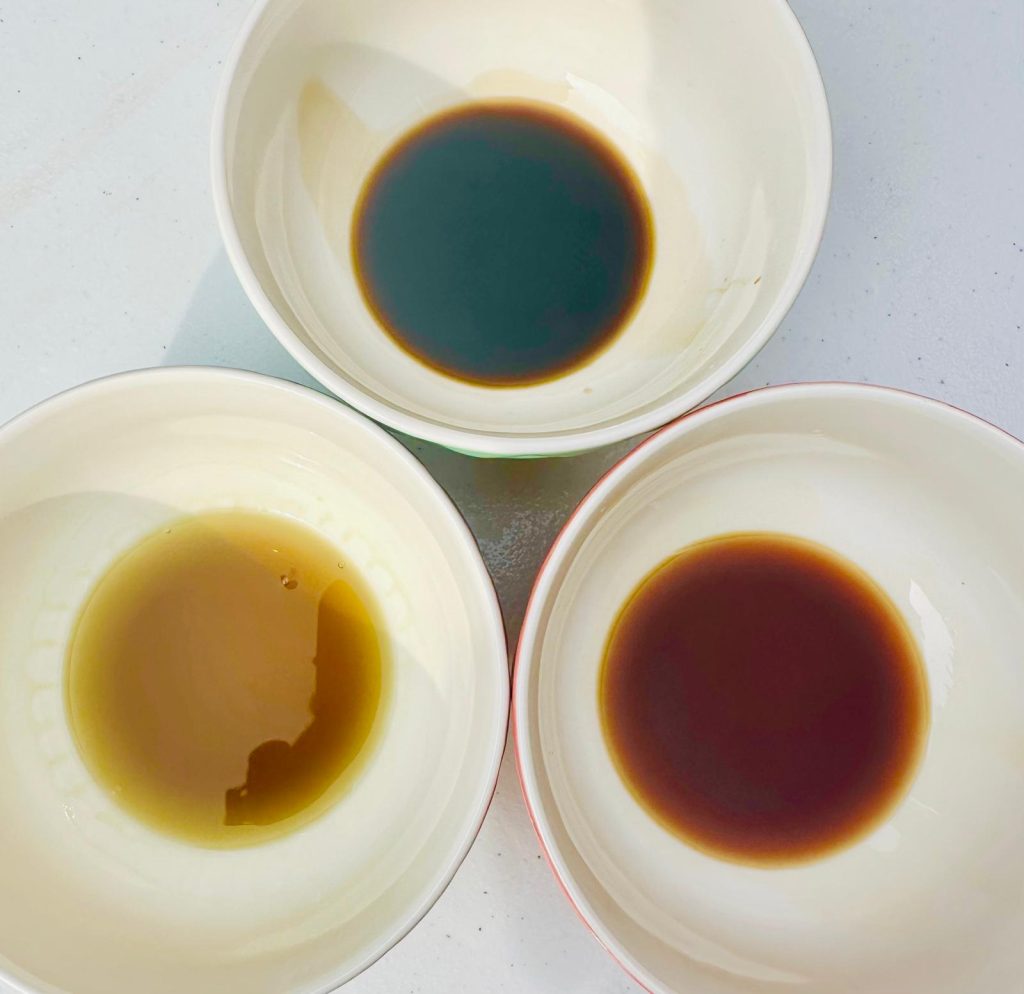
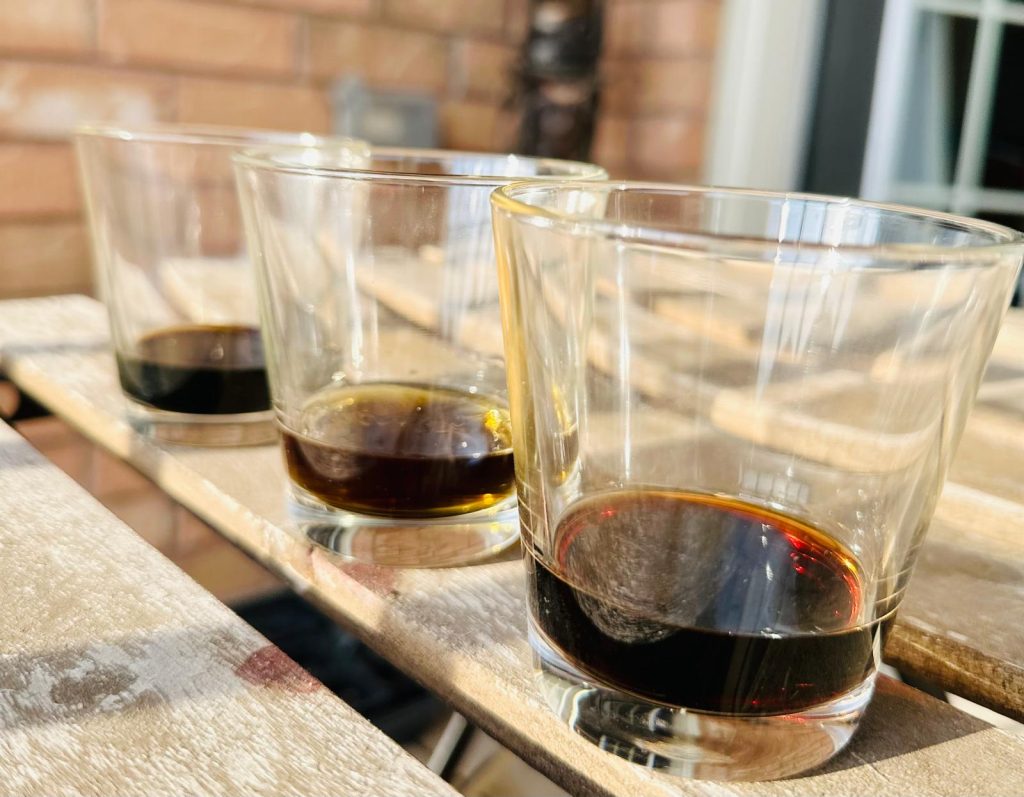
A few seasons ago, I pressed separate hydro ethanol extracts of Mullein leaf, flower, and root, Verbascum thapsus folium, flos, and radix. Observing, smelling, and tasting them side by side was a powerful reminder that even within a single plant, each part has its own character. While certain properties extend throughout the whole plant, the distribution of different phytochemicals within the leaf, flower, and root creates clear differences in organoleptics which shapes how each part may be used.
The following are my initial organoleptic impressions. All extracts were prepared from slightly wilted fresh plant material using 50 percent ethanol.
Mullein Leaf Tincture
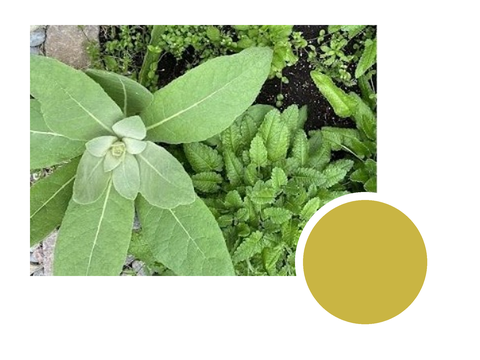
Appearance: Golden yellow in direct sunlight, softening to an olive-tinged, earthier yellow in natural light. Clear, transparent, and fluid.
Aroma & Taste: Fresh and distinctly green, with a mild earthy quality. The bitterness is present but gentle, more of a background tone than a dominant note. The overall profile is light and green.
Mullein Flower Tincture
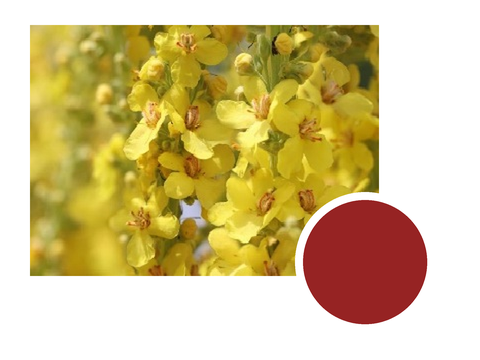
Appearance: Deep earthy red with a richer hue than the leaf and a slightly more viscous texture. It reminds me of a darker, more russet St. John’s Wort tincture, though still very much its own expression.
Aroma & Taste: Layered and complex. Sweet floral notes rise first, followed by something reminiscent of honey with a faint vanilla undertone. A subtle earthiness anchors the profile. The mouthfeel is smooth and almost silky, which feels fitting for the flower. The overall profile is more depth yet still light.
Mullein Root Tincture

Appearance: Deep chocolate brown with mahogany undertones in sunlight. It brings molasses to mind, though the consistency remains fluid rather than thick.
Aroma & Taste: Distinctly earthy and woodsy. Slightly bitter with a subtle saline quality. A mild earthy sweetness lingers after swallowing, and there is a faint viscosity that gives it weight in the mouth. The overall profile is deep and grounding.
In Part II, I will explore the phytochemistry and therapeutic actions more closely, and correlate how these relate to the sensory qualities observations observed here.
In Part III, I will look at energetics and tissue affinities, and how these too, can be understood through organoleptic experience.
Leave a Reply